
Introduction
Selecting the perfect cup for your 9-month-old is crucial as they begin their journey towards independent drinking. As babies move away from bottles, it’s essential to introduce a suitable cup that supports their growing motor skills while ensuring they stay hydrated. This guide provides parents with the tools and knowledge needed to make the best choice for their little one.
Understanding Your 9 Month Old’s Development
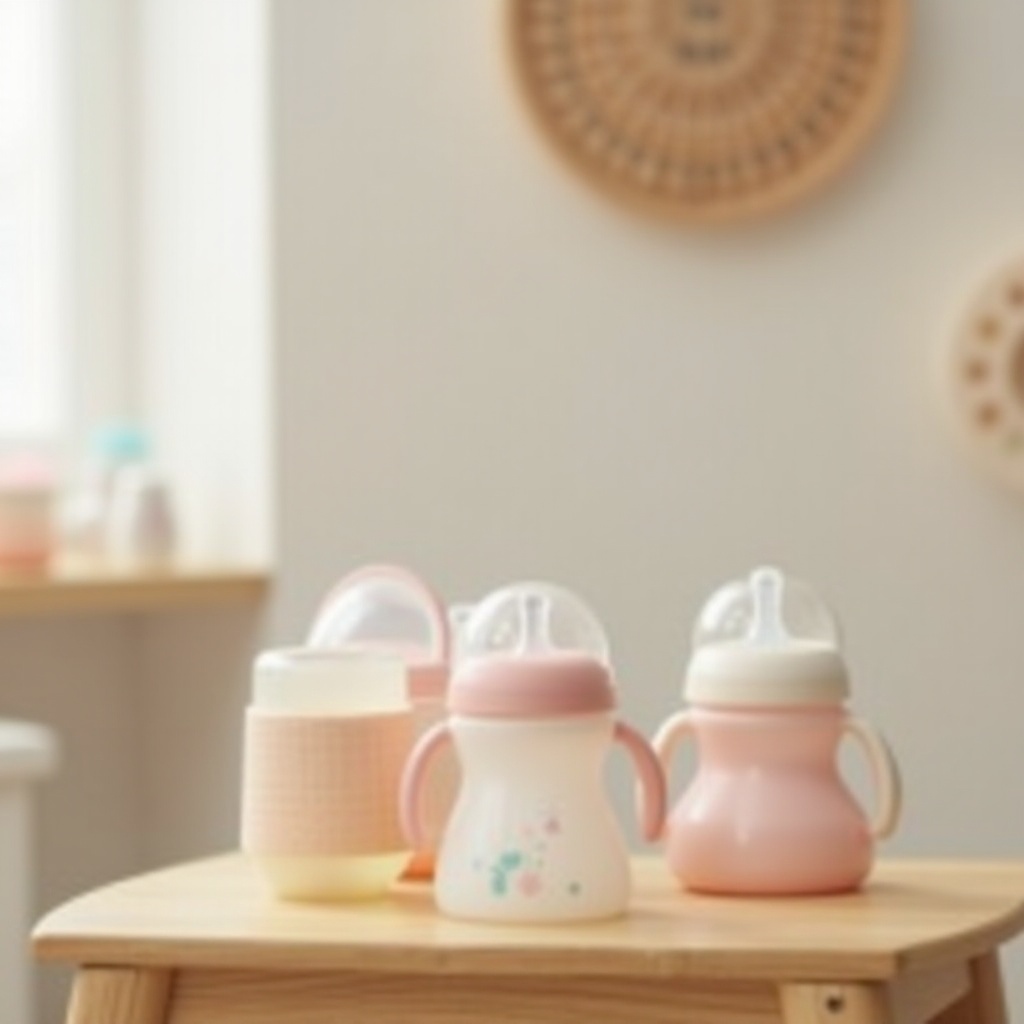
At nine months of age, babies start developing better control over their hands and fingers, enabling them to manage objects more adeptly. This is an ideal time to introduce a cup, encouraging independence and enhancing self-feeding skills. By recognizing these developmental milestones, parents can select cups that cater to their child’s evolving abilities.
Acknowledging these progressions leads seamlessly into identifying the features necessary in a suitable cup. Exploring different designs can remarkably impact your child’s drinking success.
Features to Look for in a 9-Month-Old’s Cup
When choosing a cup for your 9-month-old, key features to prioritize include:
-
Safety and Materials: Opt for cups made from non-toxic, BPA-free materials to guarantee your baby’s safety. Ensure the products meet established safety certifications.
-
Spill-Proof Design: Since spills are unavoidable, a spill-proof cup simplifies life by keeping areas clean while allowing your baby to explore their feeding abilities.
-
Easy Handling: Look for cups with easy-grip handles or ergonomic designs, promoting self-feeding by making them practical for tiny hands.
These fundamental features set a strong foundation for discussing various cup types. Each one serves unique needs and encourages different developmental skills.
Types of Cups Suitable for 9 Month Olds
Understanding cup options involves exploring their differences and unique advantages:
-
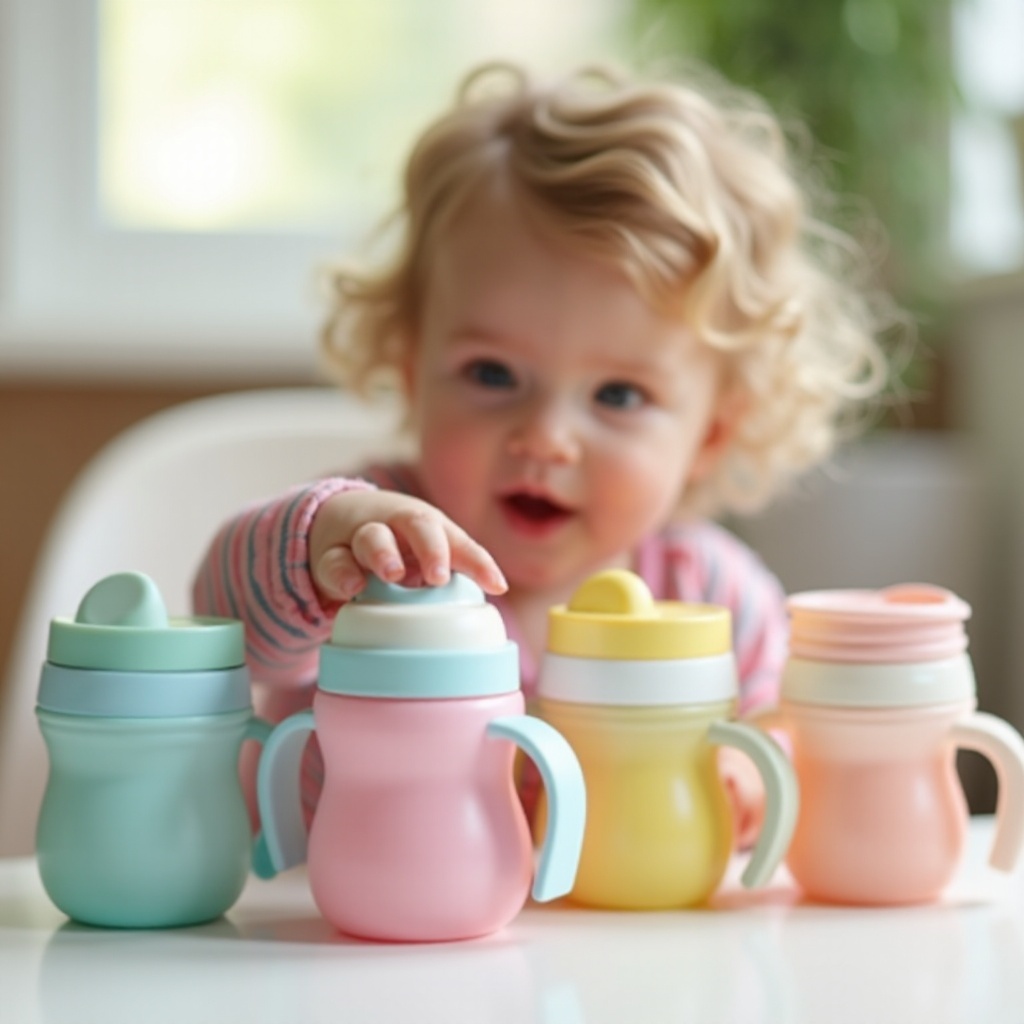
Sippy Cups: Typically featuring a spout, these cups often serve as the initial transition from bottles with designs that prevent spills and are easy for babies to handle.
-
Straw Cups: Encouraging sucking akin to bottles, straw cups promote mouth development while granting more advanced liquid control, often equipped with weighted straws for easier drinking.
-
Open Cups: Though more challenging, open cups foster enhanced motor skill development, teaching babies to handle liquids without a lid.
With these options explored, it’s time to delve into some of the most recommended products currently available. Knowing which cups are highly rated can greatly facilitate decision-making.
Top Recommended Cups in 2024
In 2024, several cups have emerged as stellar choices for 9-month-olds. Let’s examine a few:
-
Product A: Celebrated for its durable build and leak-proof design, Product A receives parental praise for its smooth, easy-to-clean surface.
-
Product B: Featuring innovative straw design, Product B encourages correct drinking techniques and is appreciated for its convenience during travel.
-
Product C: An open cup that safely guides babies through transitions, featuring a secure base to minimize tipping.
These presented selections vary in terms of price and material, providing you with a variety of options regardless of your budget. Each product aligns with distinct developmental goals, matching diverse parental needs.
Tips for Transitioning to Cups
For a smooth shift to cup feeding, consider applying these strategies:
-
Gradual Introduction: Begin by offering the cup during meals, filled with water or milk, to familiarize your child with the new method.
-
Modeling Desired Behavior: Drink from an open cup alongside your baby, showcasing mouth actions they can mimic.
-
Ensure Positivity: Celebrate small successes with praise, maintaining enjoyable, stress-free feeding experiences.
With consistent practices, parents often encounter success in encouraging babies to embrace cup feeding. Should challenges arise, having practical approaches can assist.

Overcoming Common Challenges
Transitioning to a cup may involve hurdles; here’s how to manage the common ones:
-
Resistance to Change: Gradually reduce reliance on bottles or other drinking sources to encourage the new cup’s use.
-
Dealing with Spills: Consider spills as part of the discovery process, employ bibs or placemats for easier cleanup, and promoting your baby’s involvement in tidying will establish good habits.
-
Picking the Wrong Cup: If one type doesn’t suit your baby, don’t hesitate to try another style, as preferences are uniquely individual.
Successfully overcoming these challenges paves the way for developmental advantages ensuing from adapting to a new feeding style.
Caring for and Maintaining Baby Cups
Proper cup care prolongs its usability and ensures health safety. Follow these tips:
-
Regular Cleaning: Thoroughly wash all cup components with warm, soapy water after each use to prevent bacterial accumulation.
-
Inspect for Wear: Routinely check for any tears or damages, promptly replacing any compromised parts.
-
Safe Storage: Fully dry cups before storing to avoid mold formation.
With these practices, parents can maintain cleanliness and safety as their children continue using the cups.
Conclusion
Selecting the ideal cup for your 9-month-old can significantly enhance their feeding journey whilst providing parental peace of mind. By understanding developmental needs, exploring cup types, and implementing transition strategies effectively, parents can ease the decision-making process.
Frequently Asked Questions
What is the best type of cup for a 9-month-old?
The best type depends on individual needs. Sippy cups are often considered for their ease of use, while straw and open cups offer different developmental benefits.
How can I encourage my baby to use a cup?
Introduce the cup gradually during mealtimes and model cup usage yourself. Maintain a positive experience to foster acceptance.
What features should I avoid in baby cups?
Steer clear of cups with intricate, difficult-to-clean designs and those containing BPA or harmful chemicals.